Description
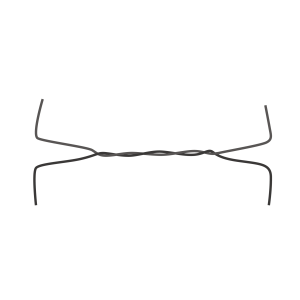
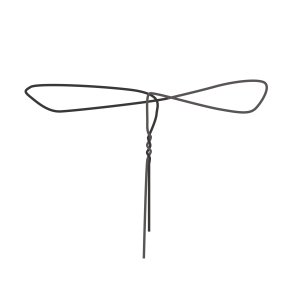
Crimped Wall Ties are used in masonry construction to improve the structural integrity and stability of cavity walls. Here are their specific uses and benefits:
- Connecting Cavity Walls:
- Crimped wall ties connect the inner and outer leaves of cavity walls, ensuring they act together as a single structural unit.
- Enhancing Stability:
- They provide additional stability to the walls, reducing the risk of wall separation or collapse due to external forces such as wind pressure and seismic activity.
- Accommodating Movement:
- Designed to allow for slight movements between the two wall leaves due to thermal expansion, moisture changes, or settling of the building, which helps prevent cracks and structural damage.
- Improving Load Distribution:
- Crimped wall ties help in evenly distributing the loads across the cavity wall, enhancing the overall strength and performance of the structure.
- Corrosion Resistance:
- Typically made from galvanized steel or stainless steel, crimped wall ties are resistant to corrosion, ensuring long-term durability and performance in various environmental conditions.
- Facilitating Construction:
- The crimped design provides a secure and efficient method for tying walls, making the construction process easier and more reliable.
- Compliance with Building Standards:
- They help meet building codes and standards that require the use of wall ties in cavity wall construction, ensuring safety and structural integrity.
In summary, crimped wall ties are essential components in cavity wall construction, providing structural support, stability, and durability to ensure the long-term integrity of buildings.