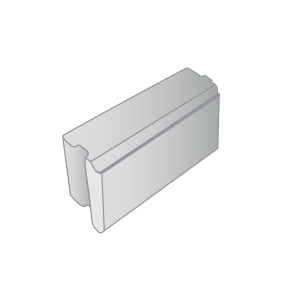
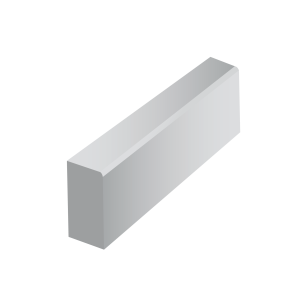
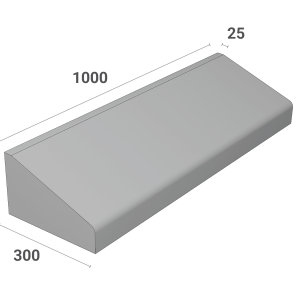
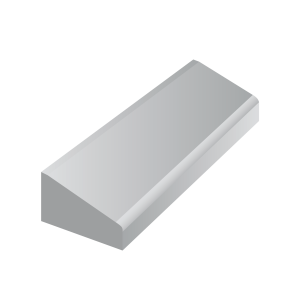
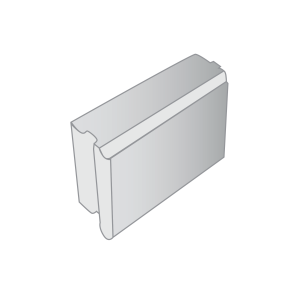
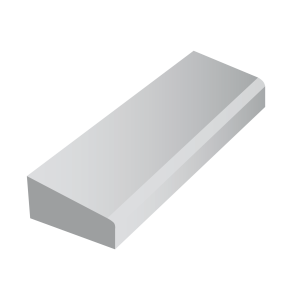
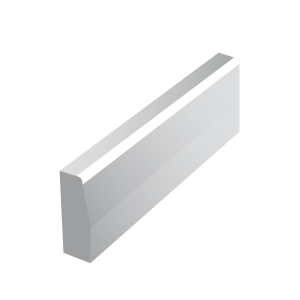
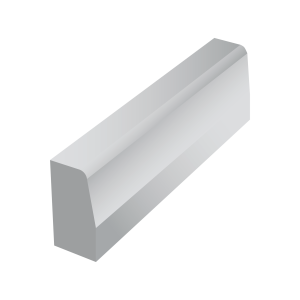
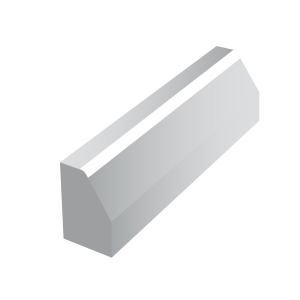
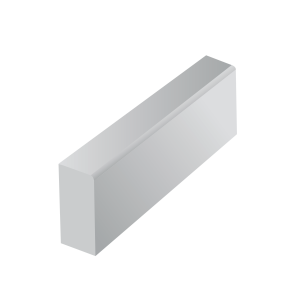
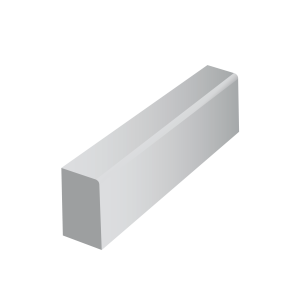
A 300 x 75 x 62 Barrier Kerbs (figure 5A) are used for:
Traffic Management:
Controls and directs vehicle movement by serving as a physical barrier, often used to delineate lanes and separate vehicle zones from pedestrian areas.
Pedestrian Safety:
Provides a barrier between roadways and pedestrian pathways, ensuring the safety of pedestrians by preventing vehicles from encroaching onto walkways.
Property and Infrastructure Protection:
Protects infrastructure, buildings, and landscaped areas from potential damage caused by vehicles.
Aesthetic Boundaries:
Creates clean and defined borders for various urban and suburban elements, enhancing the visual appeal of streetscapes and landscaped areas.
Water Management:
Helps guide stormwater to appropriate drainage systems, preventing water accumulation on roads and pathways.
The “figure 5A” design refers to its specific profile, optimized to serve as an effective barrier while maintaining a lower profile compared to larger kerbs, making it suitable for various urban applications where a more subtle barrier is required.